Testing out Lance Hedrick's latest brewing method - here's what actually happened
TL;DR: Tried Lance Hedrick's three-stage Switch method after being skeptical. Takes 8-10 minutes, uses spoon deflection technique, produces noticeably sweeter/fuller cup than regular pour-over. More forgiving than it looks but requires patience. Worth trying if you want something different, not essential if you're happy with current brewing.
So I finally tried Lance Hedrick's Gong Fu Hario Switch recipe after seeing it all over coffee YouTube and Reddit. Been putting it off because, honestly, it looked a bit gimmicky. But curiosity got the better of me.
For those who haven't seen it yet, it's basically a three-stage brewing method that combines immersion and percolation. You're doing multiple steeps with fresh water each time, using some specific techniques to protect the coffee bed. You can find it at this link.
Figured I'd share my experience in case anyone else is on the fence about trying it.
The Setup
Pretty straightforward equipment-wise:
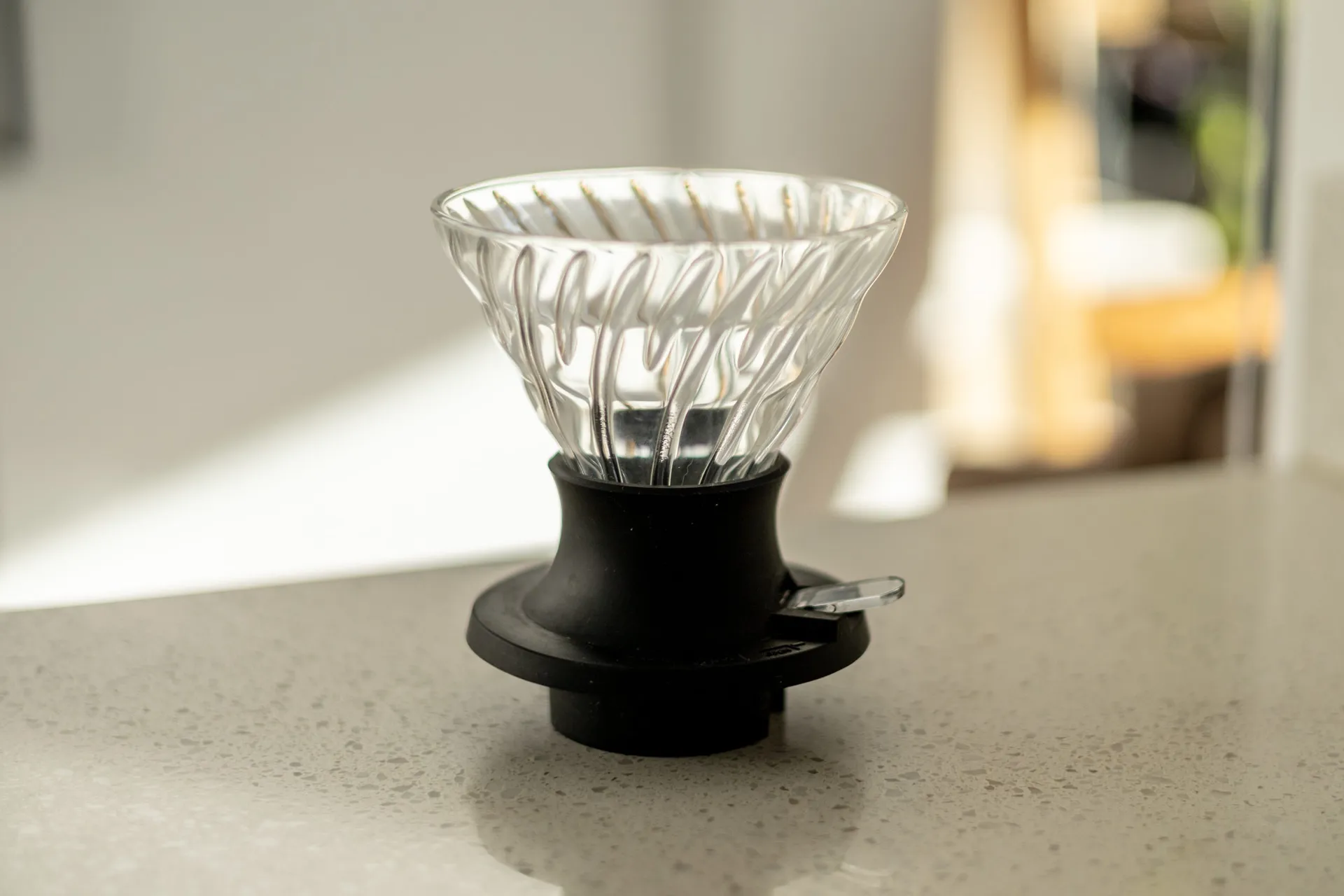
- Hario Switch (obviously)
- 15g coffee to 250g water (1:17 ratio)
- Scale, timer, gooseneck kettle
- One disposable spoon (this will make sense)
I used a Colombian I've been working through - something I know well enough to notice differences.
The Process
Stage 1: Cold Bloom at 75°C This part feels weird. You pour 50g of cooler water into the empty Switch chamber, then add your grounds to the water instead of the other way around. Use the spoon to make sure everything gets saturated. Let it sit for about 90 seconds, then release.
Stage 2: First Pour at 90°C Close the switch again. Here's the quirky part - you hold the spoon against the coffee bed and pour 100g of water onto the spoon surface, letting it cascade down. Then you gently "excavate" (Lance's term) with the spoon handle. Another 90-second steep, then release.
Stage 3: Second Pour Same spoon technique, another 100g water, same gentle excavation. Final steep of 90 seconds or longer if you want more body.
Total time is around 8-10 minutes depending on your timing.
What Actually Happened
First attempt: Forgot to close the switch during the bloom. Yeah, that was dumb. Coffee-water just went straight through.
Second attempt: Got the process right but went too fine on the grind. Slow drawdown and slightly over-extracted taste.
Third attempt: Adjusted grind coarser and... actually pretty good results.
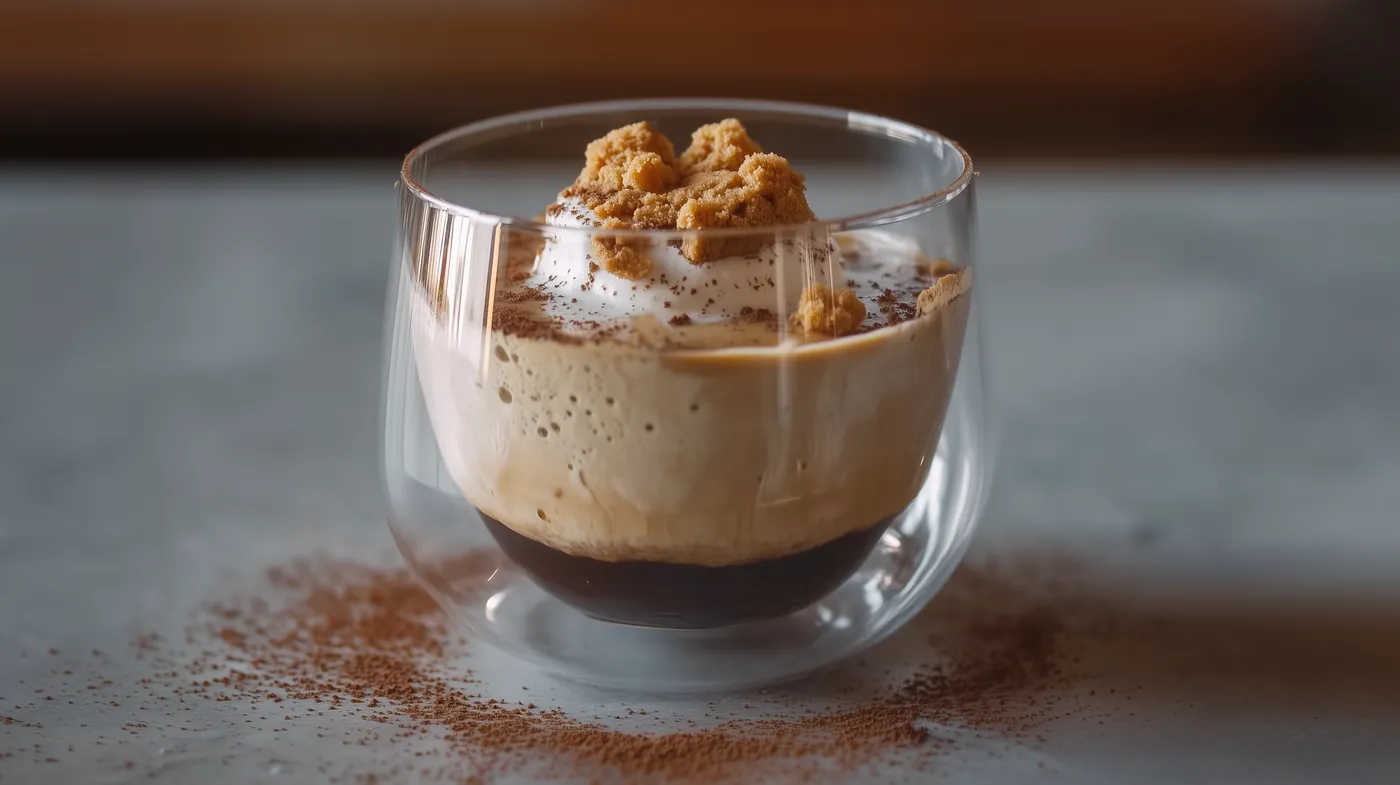
The cup was noticeably different from my usual V60 with the same beans. Fuller body, definitely sweeter, and cleaner than I expected. Not earth-shattering, but clearly distinct.
The Theory Behind It
The cold bloom supposedly preserves aromatics that would normally evaporate. The spoon deflection prevents you from destroying the coffee bed structure with aggressive pouring. Multiple fresh water extractions should theoretically pull more out of the coffee than a single pass.
Makes sense on paper. Whether it's worth the extra steps is probably personal preference.
Practical Observations
Grind size: You can go coarser than normal V60 and still get good extraction. The gentle method seems more forgiving.
Timing: The steeping times are flexible. Going 30-60 seconds over doesn't seem to hurt much.
Cleanup: About the same as regular Switch brewing + the spoon.
Consistency: After a few attempts, it's actually pretty repeatable. The controlled nature of each step helps.
Is It Worth Doing?
Depends what you're after.
If you want something demonstrably different from regular pour-over and don't mind the extra time, it's interesting. The result is genuinely unique - kind of sits between pour-over brightness and immersion body.
If you're happy with your current brewing and just want decent coffee without fuss, probably not necessary.
For me, it's become an occasional weekend thing when I want to slow down and pay attention to the process. Not replacing my daily V60, but it's a nice change of pace.
Troubleshooting Notes
- If drawdown is super slow, grind coarser
- If the cup tastes weak, extend the steeping times
- If it's bitter, try lower temperature (85-87°C) throughout
- The spoon technique doesn't need to be perfect, just deflect the water stream
Bottom Line
It's a solid brewing method that produces noticeably different results. Not revolutionary, but definitely effective if you want to explore different extraction approaches.
The technique itself is more forgiving than it looks, which is probably why it's gained traction. Hard to completely mess up once you get the basic steps down.
Worth trying if you're curious about brewing methods and have 15 minutes to spare. Your Switch doesn't have to just be a regular V60 with an on/off button.
If you're looking to experiment with methods like this, having consistently fresh beans makes a real difference. RoastPlan ships over the Greater Toronto Area with customized coffee roasted to order - because new brewing techniques deserve good coffee to work with.