When you first set your sights on brewing espresso at home, the machine usually steals the spotlight. Gleaming stainless steel, sleek designs, hissing steam- it's no wonder espresso machines grab your attention (and your budget). Yet, once you dive deeper into the world of home espresso, a surprising fact emerges: your coffee grinder may end up costing just as much, if not more, than your espresso machine.
Why? It's a question every coffee enthusiast eventually asks. So, let's unpack this coffee conundrum and find out why a grinder can- and should- be your most significant investment.
Not All Grinders Are Created Equal
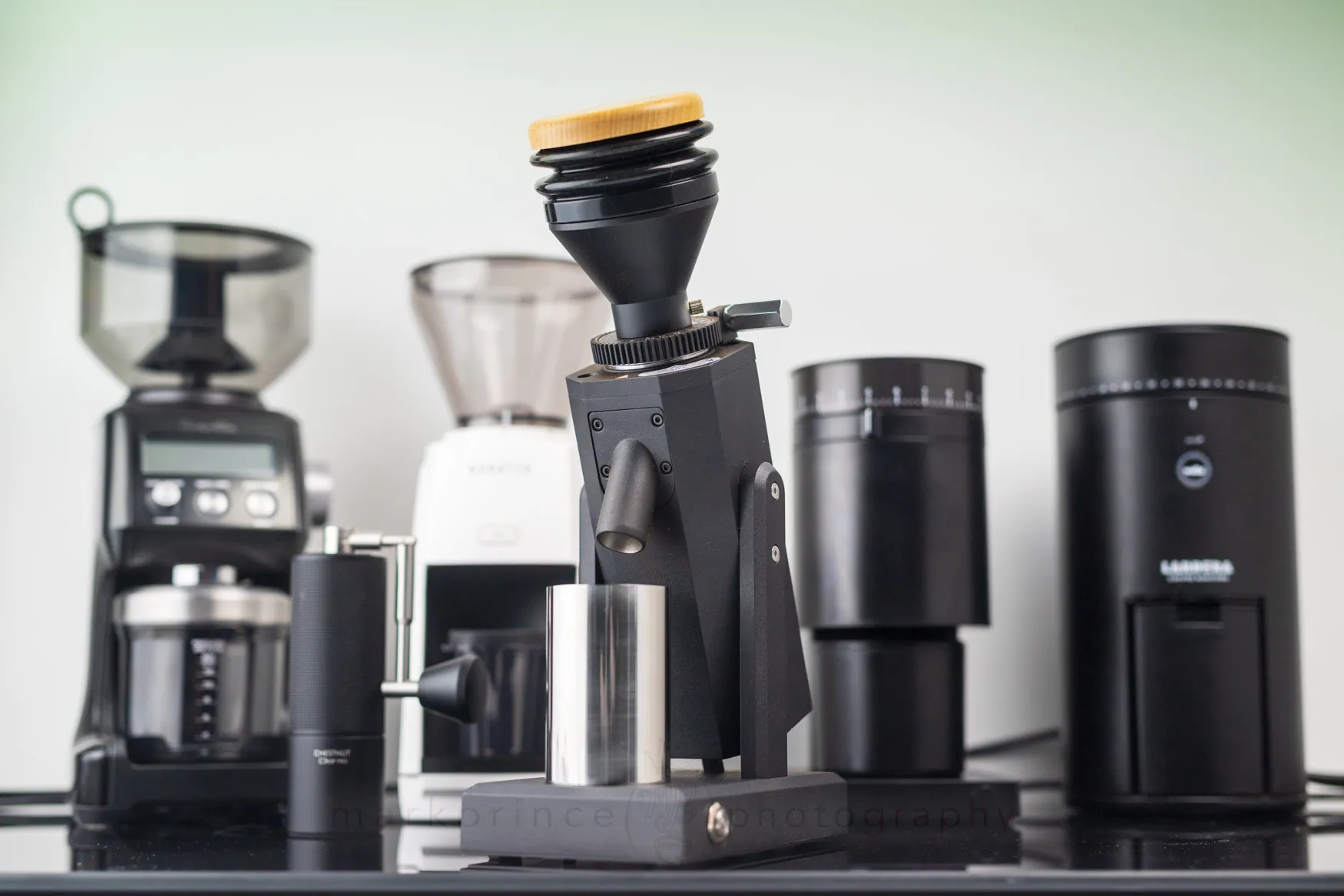
At first glance, a grinder seems like a basic appliance- beans go in, grounds come out. Simple, right? Well, not exactly. High-quality espresso grinders, like the beloved Baratza Sette 270, are feats of precision engineering. They're built to grind coffee beans to incredibly uniform sizes, essential for making great espresso.
Inside these grinders are two burrs- metal discs or cones- that crush coffee beans with astonishing precision. The burrs must be aligned with exacting accuracy (we're talking fractions of millimeters!) to deliver uniform grind sizes. Cheaper grinders just can't match this precision, leading to inconsistent grounds, poor flavor extraction, and ultimately, disappointing espresso.
Grind Quality: The Secret Behind Exceptional Espresso
If you're new to espresso, you might naturally think your espresso machine is the biggest factor affecting flavor. It heats the water, creates pressure, and pours your espresso- sounds critical, right? True, those elements matter, but seasoned baristas know the real flavor-maker is the grind.
In espresso brewing, uniform coffee grounds mean balanced extraction. When grounds are inconsistent, water travels unevenly through the puck of coffee, resulting in bitter over-extracted flavors or weak, sour under-extracted shots. High-end grinders minimize these inconsistencies by producing fewer "fines"—tiny coffee particles that contribute bitterness- ensuring your espresso tastes sweet, vibrant, and nuanced.
Simply put, even the best espresso machine can't salvage poorly ground coffee. Conversely, even a modest espresso machine paired with a premium grinder, such as the exceptional Eureka Mignon Specialità, can produce stunning espresso.
The Experiment That Proved Grinder Superiority
To truly understand this, consider an insightful experiment by Clive Coffee. They paired a high-end espresso machine, the revered $5,000 La Marzocco Linea Mini, with an inexpensive grinder. The result? Shots that ran too fast, lacked clarity, and tasted harsh.
Next, they reversed the pairing, matching the affordable but respected Rancilio Silvia espresso machine ($800) with the ultra-premium grinder, the Weber Workshops KEY grinder. The espresso was exceptional- rich, sweet, and incredibly balanced. This test clearly illustrated the powerful influence of a quality grinder on espresso flavor.
Why Do High-Quality Grinders Cost So Much?
Manufacturing precision grinders isn't cheap. Burr grinders require precision machining of hardened steel or ceramic burrs, powerful and quiet motors, robust metal casings, and meticulous quality control. Unlike espresso machines, grinders don't benefit significantly from economies of scale- they're niche products for a specialized market.
On the other hand, espresso machines—even high-quality ones- benefit from mass production, leading to comparatively lower manufacturing costs. Espresso machines are complex but rely on widely available technologies: boilers, pumps, basic electronics. Burr grinders, by contrast, demand precision in every component, significantly increasing production expenses.
How Did We Get Here? A Bit of Coffee History
Historically, espresso machines were always the stars of the show. Coffee grinders were an afterthought- most people used pre-ground coffee or cheap blade grinders. But over the last decade, experts and baristas have dramatically changed this mindset. Freshly ground coffee is now widely recognized as critical for great espresso, prompting coffee enthusiasts worldwide to prioritize quality grinders in their setups.
Practical Advice: Real-World Espresso Setups
Today, popular espresso setups among enthusiasts reflect this understanding. For instance, RoastPlan subscribers- who appreciate freshly roasted specialty beans delivered regularly- often pair espresso machines like the affordable Gaggia Classic Pro ($450) with grinders like the aforementioned Baratza Sette 270 ($400). This combination delivers consistently superb espresso, perfectly highlighting RoastPlan’s commitment to fresh, customizable coffee experiences.
Your Grinder: The True Hero of Your Coffee Setup
So, while your espresso machine might dazzle on your countertop, your grinder quietly does the heavy lifting, determining your espresso's flavor profile. Think of your grinder like a photographer’s lens- no matter how great the camera body, a poor lens will result in blurry images. Similarly, your espresso grinder defines your espresso’s clarity, complexity, and sweetness.
When planning your espresso setup, embrace the idea of investing significantly in your grinder. Not only will this investment elevate your daily espresso, but it will also ensure you extract every delicious nuance from your coffee beans.
In the end, choosing a premium grinder isn’t just smart- it’s essential to your espresso success. Trust us; your taste buds will thank you.