Why Your Coffee Never Tastes Like the Bag Promised
You read "notes of blueberry and dark chocolate" on the label. You brewed it carefully. It tasted like... coffee. Maybe decent coffee, but not blueberry, and definitely not what you expected.
This happens constantly, and it is not your palate's fault. Two things are usually going on.
First, the beans are stale. Most coffee on store shelves was roasted weeks or months ago. By the time you open the bag, the volatile compounds that create those bright, distinctive flavors have already faded. What remains is flat, generic "coffee taste." No amount of label reading fixes a freshness problem.
Second, nobody explained what actually controls flavor. Those tasting notes on the bag are the end result: what trained cuppers perceived under ideal conditions with freshly roasted beans. Behind those descriptions are three specific variables you can learn to control when you order. Once you understand them, you stop guessing and start choosing.
The Three Dials That Control What You Taste
Think of coffee flavor as having three controls. Turn one and the whole cup shifts.
Roast level is the biggest single influence.
Light roast preserves the bean's origin character. Expect brighter acidity, more complexity, and the fruit or floral notes that specialty coffee is known for. Dark roast is dominated by the roasting process itself: smoky, bittersweet, full-bodied, with origin character fading into the background. Medium roast sits between the two, balancing origin flavor with caramel and toffee sweetness.
Origin region shapes the baseline flavor.
East African beans (Ethiopia, Kenya) tend toward fruity and floral: blueberry, citrus, jasmine. South American beans (Brazil, Colombia) lean toward nutty, chocolatey, and caramel. Brazilian coffees are known for being smooth and low-acid. Colombian coffees are famously balanced with gentle sweetness. Indonesian beans (Sumatra, Java) run earthy, full-bodied, sometimes spicy or herbal. Central American beans (Guatemala, Costa Rica) are bright but balanced, with clean acidity and chocolate undertones.
These are tendencies, not absolutes. A dark-roasted Ethiopian will not taste fruity. A light-roasted Brazilian will not taste bold. The dials work together.
Processing method changes how the fruit influences the bean.
After picking, coffee cherries are processed to separate the seed (the bean) from the fruit. Washed process removes the fruit before drying, producing cleaner, brighter cups where origin character comes through clearly. Natural process dries the bean inside the whole cherry, producing sweeter, fruitier cups with more body: those intense berry and wine-like notes on specialty labels almost always come from natural processing. Honey process is a middle ground that adds sweetness and body without the full intensity of a natural.
Now you have a framework. Instead of hoping a label tells you enough, you can ask: what roast level, what origin, what process?
And if you use a coffee subscription where you set these parameters yourself, you can dial in exactly what you want and adjust every cycle until it is right.
What to Order When You Only Know What You Like to Eat
Here is where the framework becomes practical. Start from what you already enjoy eating and drinking, then translate it to coffee settings.
"I like dark chocolate, toasted nuts, and caramel desserts."
You want warmth and sweetness without sharp acidity.
Your settings: medium to medium-dark roast, Brazilian or Colombian origin, washed or pulped-natural process. This produces the classic smooth, sweet, full-bodied cup. Low acidity, lots of body. If medium-dark feels too intense, pull back to medium and you will land in caramel and milk-chocolate territory.
"I reach for berries, citrus, and stone fruit."
You want brightness and complexity, closer to tea than traditional "coffee flavor."
Your settings: light roast, Ethiopian or Kenyan origin, natural process for berry intensity or washed for clean citrus. Natural-process Ethiopian light roasts are where "notes of blueberry" actually makes sense. The fruit compounds are genuinely present in the bean, and light roasting preserves them. This is the opposite end of the spectrum from bold and smoky.
"I just want something bold. Dark, strong, no surprises."
You want a cup that fills the room.
Your settings: medium-dark roast (RoastPlan offer this), Sumatran or Indonesian origin for earthy depth, or medium-dark Brazilian for bittersweet chocolate. Washed or wet-hulled process. At this roast level, origin nuance takes a back seat to roast character: full body, low acidity, smoky and intense.
"I like honey, milk chocolate, and baked goods. Something cozy."
You want approachable sweetness with no sharp edges.
Your settings: medium roast, Colombian or Central American origin, honey process if available or washed otherwise. Medium roast develops caramel and toffee without going dark. Colombian and Guatemalan beans carry natural sweetness that honey processing amplifies. Balanced, gentle, easy to drink black or with milk.
"I am curious about fruity coffee but worried it will taste sour."
This is the most common concern for people stepping into lighter roasts.
Your settings: medium-light roast, Ethiopian origin, natural process. Pulling the roast slightly past light reduces acidity while keeping fruit notes intact. Natural processing adds sweetness that counterbalances any remaining brightness. Start here and go lighter once your palate adjusts.
Your Brew Method Changes What You Taste
The right beans brewed the wrong way will hide what you are paying for.
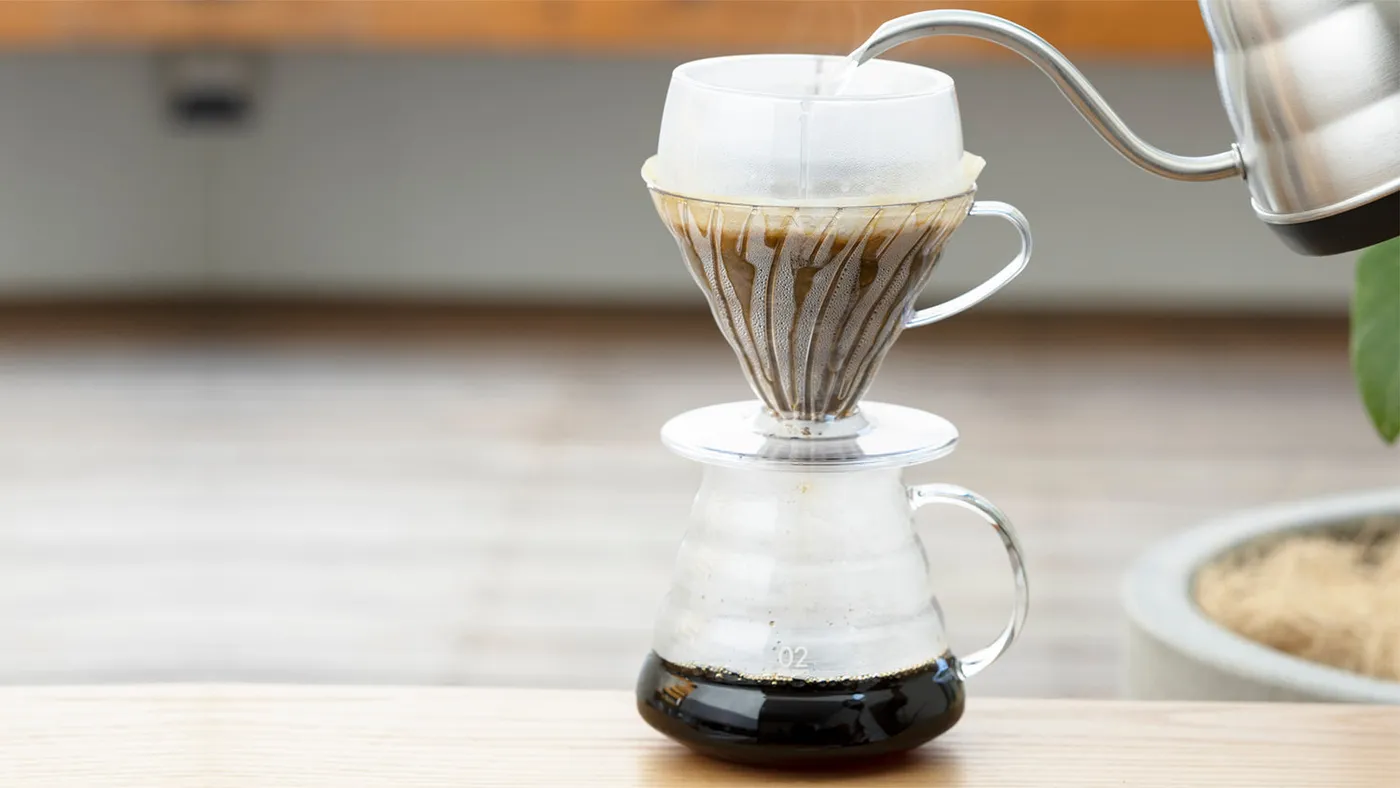
Pour-over (V60, Kalita, Hario Switch) highlights clarity, acidity, and delicate notes. Best for light and medium roasts where you want to taste origin character. If you are chasing fruity or floral flavors, pour-over is the method to use. The lance hedrick switch recipe is worth trying for an immersion-meets-pour-over approach that brings out sweetness in lighter coffees.
French press emphasizes body and richness. Oils stay in the cup, giving a heavier mouthfeel. Great for medium and dark roasts. It mutes bright acidity, which is either a benefit or a drawback depending on your preference.
Drip and auto-drip sit in the middle. Clean cup, decent body, works well across medium roasts, and is the most forgiving setup for beginners.
AeroPress is versatile enough to mimic pour-over clarity or French press body depending on your recipe. A good all-rounder for experimentation.
RoastPlan's grind options cover Pour Over, French Press, Drip, Moka Pot, Percolator, and Whole Beans. AeroPress users typically pick the Pour Over grind, and cold brew fans go with the coarse French Press setting. The one method not supported: espresso. If espresso is your primary brew, you will need a dedicated grinder.
If you make milk-based drinks, the bean choice and roast level still matter under milk, but steaming equipment plays a larger role at that point.
Why Freshness Matters More Than the Label
Here is the part most flavor guides skip entirely.
A bag of specialty Ethiopian natural-process light roast sounds perfect for the fruity-coffee seeker. But if those beans were roasted eight weeks ago, most of the volatile aromatics that create fruit and floral perception are gone. What remains is a thin, flat cup that tastes nothing like the description promised.
Coffee peaks between 7 and 21 days after roasting, depending on the roast level. After that, flavor fades fast. Our guide on how long coffee beans stay fresh breaks it down day by day.
This is why buying from a roaster that stamps the actual roast date matters more than almost any other variable on the bag. And water quality plays a role most people do not expect: water is roughly 98% of the finished cup, and the minerals in it affect which flavors extract from the grounds.
Ordering With Confidence
If this is your first time buying from a roastery instead of grabbing a bag off a shelf, here is how it works with RoastPlan.
You build your subscription in the RoastPlan builder and set everything yourself: roast level, grind matched to your brew method, how many grams you want (200g minimum, in 50g steps), and how often you want it delivered (every 1 to 6 weeks).
Every Thursday you get a preview of what is coming. You can change anything until the Saturday 10 AM cutoff. Your card is only charged at that cutoff. Roasting starts after, and your coffee ships fresh. Anywhere in Canada, it arrives in 2 to 4 days via courier.
No contract, no minimum spend, no prepaid commitment. Skip a cycle, pause, or cancel before Saturday's cutoff and nothing happens. You were never charged.
If you are anywhere in Canada and ready to build a canadian coffee subscription around what you actually like to taste, start with the settings from this guide. Pick the dial combination that matches your food preferences, choose your grind for your brewer, and adjust from there. Every cycle is a chance to tweak.
If you are near Toronto, a coffee subscription toronto order includes same-day hand delivery on Sundays.
The best coffee beans are the ones roasted for how you like to drink. Build yours at RoastPlan.