Here's a 30-second freshness test you can run right now. Grab your current bag of coffee, grind a tablespoon, place the grounds in a mug, and pour a small splash of just-boiled water over the top.
Watch what happens.
If the grounds swell into a dome of tiny bubbles, your coffee is alive. That's CO2 escaping from recently roasted beans. It's called the coffee bloom test, and it's the fastest way to tell if coffee beans are fresh without knowing the roast date.
If the grounds sit flat and lifeless, you're brewing stale coffee. No technique or equipment brings those flavours back. So how long do coffee beans stay fresh after roasting? Shorter than most people think. That narrow window is exactly what a roast-to-order coffee subscription is built to hit: beans that arrive while they're still releasing CO2, not months after the peak has closed. Here's the day-by-day breakdown.
The Freshness Curve: Day by Day
Roasting creates CO2 trapped inside the bean's cellular structure. The moment it ends, that gas starts escaping. According to Fellow's degassing guide, roughly 40% of CO2 is gone within the first 24 hours. Achilles Coffee Roasters describes how a large portion escapes within 24-72 hours, followed by a slower release that continues for days or weeks.
Day 0-1: Too Fresh
- 40% of CO2 escapes in the first 24 hours. Espresso channels and gushes. Pour-over tastes sharp and carbonic. "Roasted today" sounds appealing but actually produces unstable, gassy cups.
Day 2-4: Settling
- Dark roasts begin entering their window (their cracked, porous structure releases gas faster). Light roasts are still too tight and dense. Pour-over and French press become viable for darker roasts.
Day 5-7: The Window Opens
- Medium and dark roasts hit their stride. Sweetness, body, and complexity come into balance. Light roasts are just starting to open up. Espresso typically needs at least 5-7 days of rest before it pulls cleanly.
Day 7-14: Peak Freshness
- The consensus sweet spot across specialty coffee. General Warfield's calls days 7-10 the peak, though many light roasts continue developing through day 14. Your bloom test will show a healthy, gentle dome of bubbles at this stage.
Day 14-21: Fading
- Delicate top notes (floral, fruity, citrus) disappear first. Body and chocolate or nut notes hold on longer. Dark roasts fade faster here because their surface oils accelerate oxidation.
Day 21-30: Declining
- Noticeably flatter flavour. Minimal bloom activity. The coffee is safe to drink, but it has lost most of what made it interesting.
Day 30+: Stale
- No bloom, no complexity. Just generic "coffee taste" without origin character. This is, unfortunately, where most grocery-store coffee starts its life on your counter.
Whole bean vs ground: Everything above assumes whole beans stored in a sealed container. Coffee Bros explains that ground coffee begins losing its freshness rapidly after grinding, with the protective CO2 escaping far faster from the shattered cell structure. Pre-ground coffee reaches "Day 30" territory within just a few days. Always buy whole bean.
Light vs dark roast: Dark roasts degas faster (peak at day 3-7) because higher roasting temperatures fracture the cell walls more aggressively. Light roasts are denser, hold their CO2 longer, and often need 7-14 days to reach peak flavour. If you switch between roast levels, adjust your resting expectations accordingly.
The Grocery-Store Date Decoder
So how old is grocery store coffee when you buy it? Older than the label suggests.
Most bags don't print a roast date. They show a "best by" or "best before" date instead, and the gap between those two things is enormous. As Twisted Goat Coffee explains, that best-by stamp is typically set 6-12 months after roasting. It tells you when the coffee is technically safe to consume, not when it tastes good. Once you understand coffee roast date vs best by date, you realize the label hides the one number that actually matters.
Once you've nailed the freshness window, the next step is figuring out which roast level and origin actually match what you like to taste, and our picking beans that match your palate guide walks through exactly that.
The supply chain adds even more time. Happily Coffee reports that most grocery store coffee is roasted weeks or even months before it ever reaches the shelf. By the time you open the bag at home, the beans can easily be 2-4 months post-roast. The peak window closed long ago.
Quick checklist for reading a coffee bag in the store:
- Roast date printed? Good sign. The roaster is confident enough in freshness to put it there.
- Only a "best by" date? Subtract 6-12 months to estimate when the beans were actually roasted.
- One-way degassing valve on the bag? That small pinhole lets CO2 out without letting oxygen in. Its presence means the beans were packaged fresh enough to still be releasing gas. No valve on pre-ground coffee is a tell.
- "Packed on" is not "roasted on." Packaging can happen days or weeks after roasting. It's better than no date, but don't confuse the two.
- No date at all? Walk away. The absence usually means the coffee has been sitting around longer than the brand wants you to know.
Stay Inside the Window: The Simple Math
The freshness curve above makes one thing clear: buying the right amount at the right frequency matters more than any storage trick.
Here's the math. Most drip or pour-over brewers use 15-18g of coffee per cup. If you drink two cups a day, that's roughly 30-36g daily, or about 210-250g per week. The peak window runs about 14 days for most roasts.
Your daily grams x 14 days = your ideal order size.
Two cups a day: 30g x 14 = 420g every two weeks.
One cup a day: 15g x 14 = 210g every two weeks.
Three cups a day: 50g x 14 = 700g every two weeks (split across two bags if needed).
The mistake most people make is buying a large bag once a month because it feels efficient. A 1kg bag for a two-cup household lasts roughly 33 days. Weeks one and two taste great. Week three is noticeably flatter. By week four, you're grinding stale beans and blaming the grinder, the water, or the brew recipe when the real problem is time.
With RoastPlan, you set your exact grams (200g minimum, in 50g steps) and your delivery frequency anywhere from every 1 to 6 weeks. The beans are roasted after your order is placed, not pulled from warehouse inventory. Set 400g on a two-week cycle and every cup falls inside the peak window.
RoastPlan runs this same roast-and-ship cycle for every coffee bean subscription Canada order, no matter where you live. Shipments go out via Stallion Express every Monday, arriving in 2-4 business days anywhere in the country. Even on the longest routes, your beans arrive around day 4-6 post-roast, right as the window is opening.
Protect What You've Got: Storage and Brewing
Good storage extends the tail of freshness by a few days. Bad storage shortens it dramatically. But no container on earth brings a 30-day-old bean back to day 7. Here's what actually makes a difference once the beans are in your kitchen.
Keep beans in an opaque, airtight container at room temperature. Heat, light, moisture, and oxygen are the four enemies. A kitchen counter away from the stove and out of direct sunlight works well. The bag your beans came in is fine if it has a resealable top and a one-way valve. If you prefer a dedicated canister, look for one with a silicone seal and no clear window (light degrades coffee oils over time).
Do not refrigerate. Coffee is porous and absorbs surrounding odours quickly. Your beans will pick up whatever else lives in the fridge. Freezing is debatable: it can slow oxidation, but only if the beans are vacuum-sealed and you thaw only what you'll brew immediately without refreezing. For most people, buying smaller amounts more often is simpler and more effective than managing a freezer rotation.
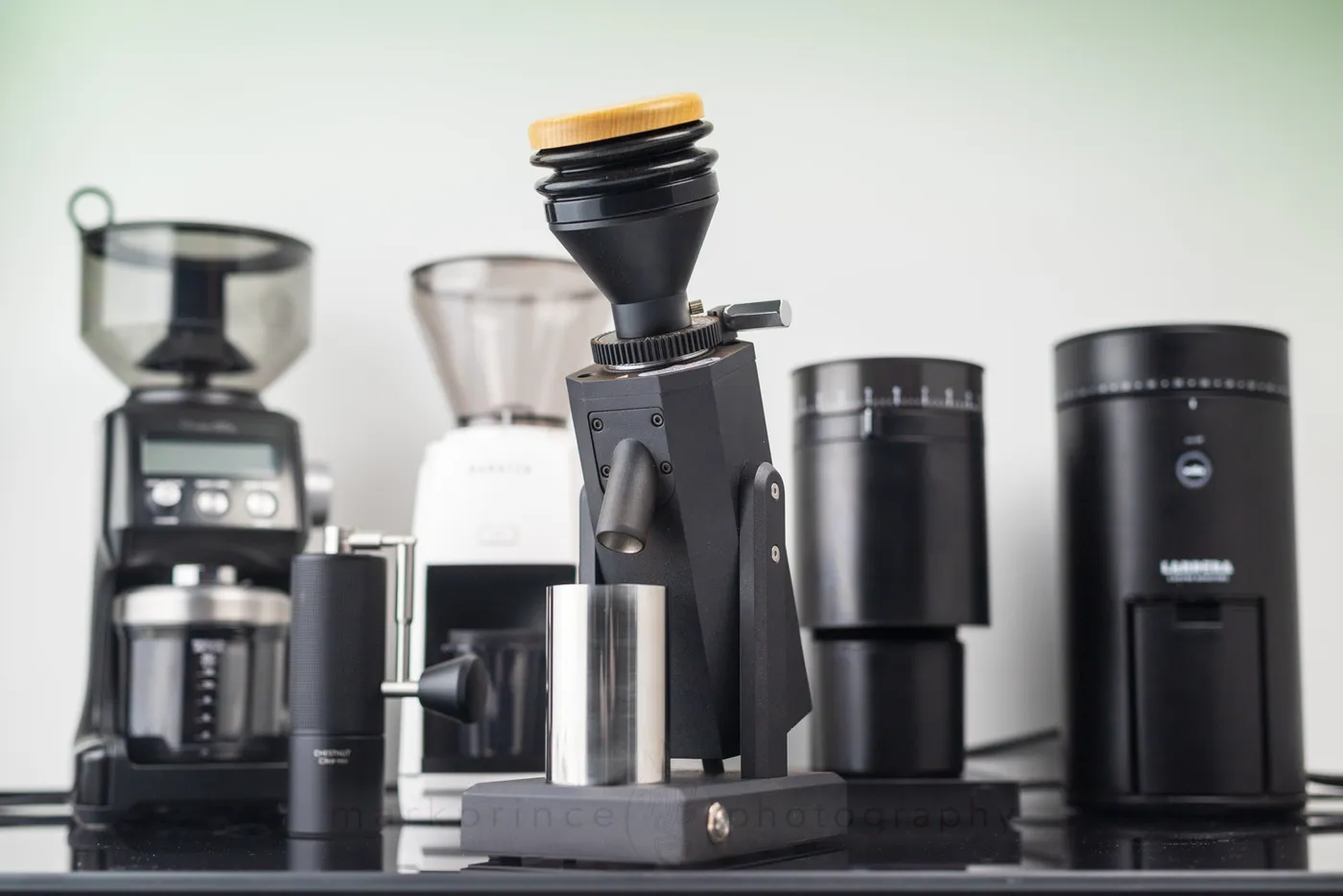
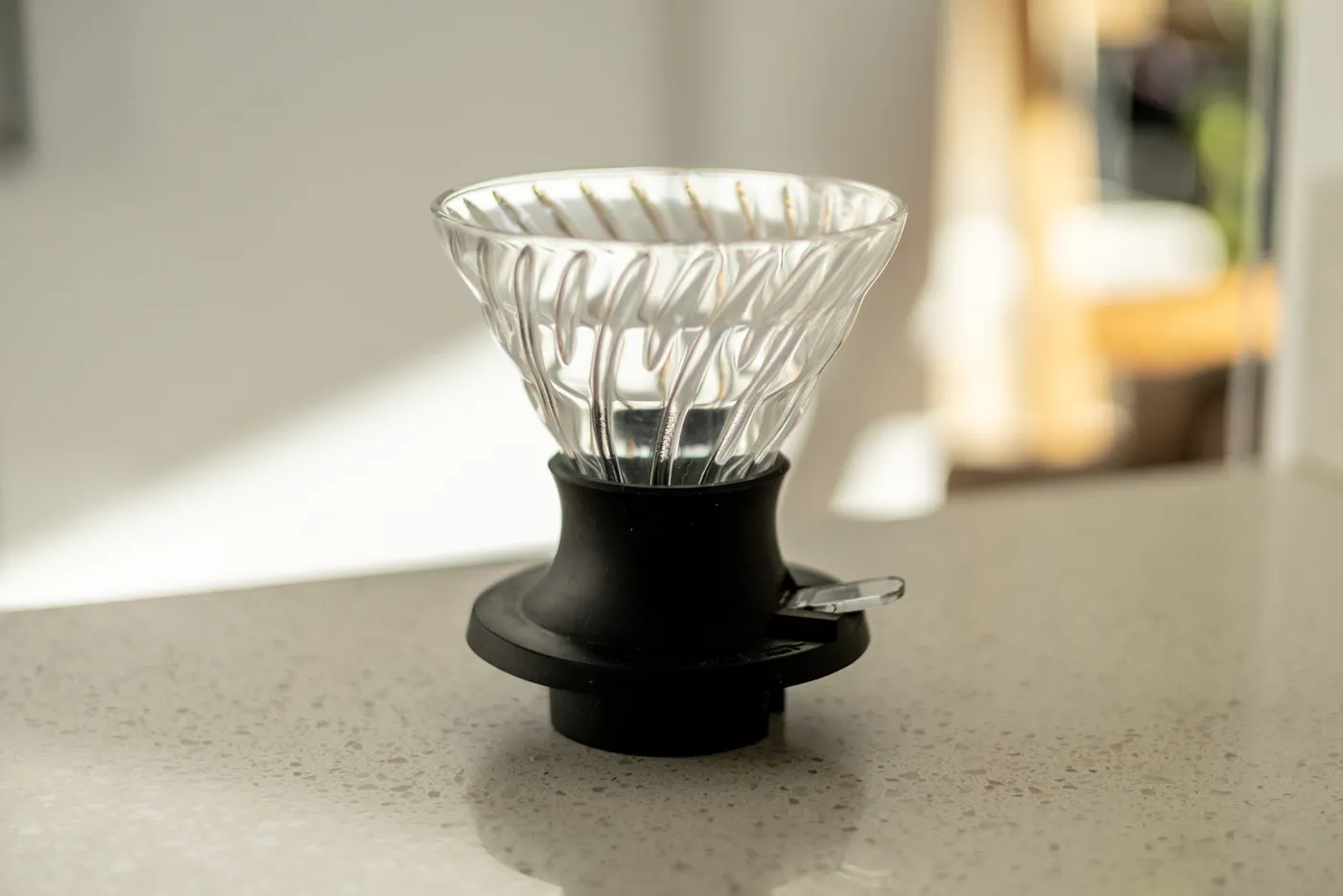
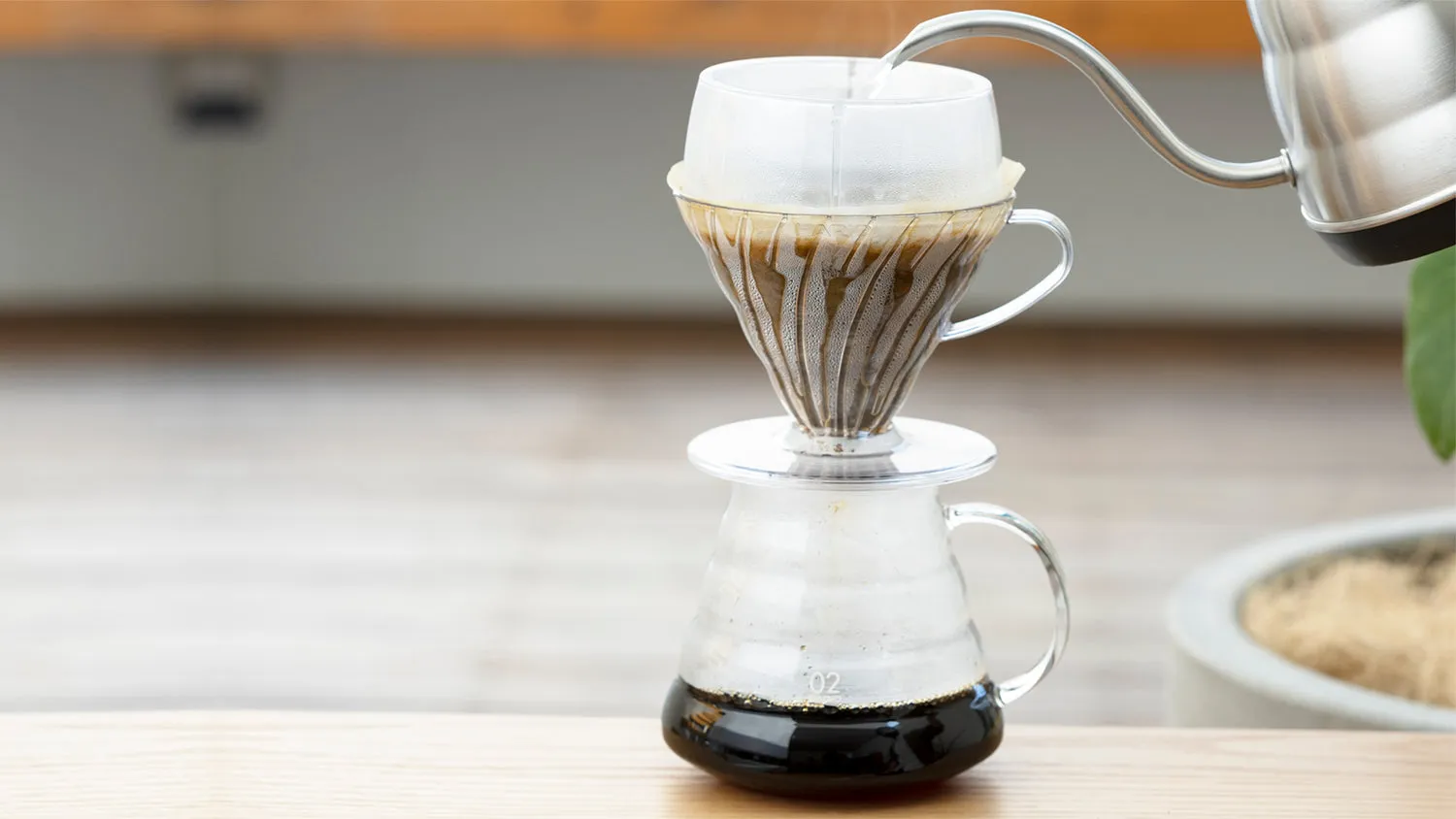
Grind right before you brew. This is the single biggest freshness lever you control. Whole beans at day 10 will produce a better cup than pre-ground coffee at day 3, every time. If you've invested in quality equipment, or you're dialling in a precise method like Lance Hedrick's Switch recipe for pour-over, stale beans undercut that entire investment before the water even hits the grounds. Fresh whole beans, ground moments before brewing, are the foundation everything else depends on.
A note for espresso drinkers: RoastPlan grinds for every brew method except espresso. Espresso demands such precise grind adjustments that shift dose by dose, so it needs to happen at home right before pulling the shot. Order whole bean and dial in yourself.
What Roast-to-Order Delivery Actually Looks Like
Every subscription service uses the word "fresh." Here's what the actual week looks like at RoastPlan, as described in our letter on launching Canada-wide shipping.
You get a preview on Thursday showing what's in your upcoming order. You can swap coffees, change your roast level, adjust your grind, or skip the delivery entirely. Everything stays editable until the cutoff: Saturday at 10 AM. Your card is only charged at that cutoff, and roasting starts afterward. For local subscribers in Ajax, Pickering, and Whitby, hand-delivery happens on Sunday. For everyone else across Canada, courier dispatch goes out Monday, arriving in 2-4 business days.
That means your beans arrive between day 1 (local Sunday delivery) and day 6 (longest courier routes). You're receiving coffee right as the peak window opens, with the full 14-day stretch ahead of you. There's no prepaid commitment, no minimum spend, and no charge until roast day. Pause or cancel anytime before the Saturday cutoff and nothing happens. Your card was never charged and nothing was roasted.
Compare that to a grocery bag that was roasted months ago, shipped across a distribution network, and sat on a shelf waiting for someone to pick it up. The coffee may share the same origin name on the label, but the cup will taste nothing alike.
Fresh Coffee Is a Window, Not a Shelf
Coffee is a perishable product, not a pantry staple. The peak opens around day 5, runs through day 14 for most roasts, and closes somewhere around day 21. The grocery supply chain is built around shelf stability and long best-by dates, not flavour.
The bloom test takes 30 seconds. Try it with whatever you're drinking right now. If the grounds dome up with bubbles, you're in the window. If they sit flat, the window has closed, and no brewing technique will bring it back.
The simplest fix: smaller orders, more often, from a roaster that prints the roast date because the beans were roasted days ago. Build a subscription at RoastPlan that matches your weekly consumption, and every cup falls inside the window where coffee actually tastes like it's supposed to.